Commodity Pricing Biography
In recent years, developed countries have increasingly sought to reduce fossil fuel consumption. This has been motivated by concern over the dwindling supplies of oil, the environmental damage caused by greenhouse gas emissions, and the security risks associated with depending upon unstable foreign countries for oil imports. [1] To help fill this void, countries have turned to various forms of bio-fuels, such as corn-based ethanol in the US and oil-seed based biofuels in Europe. In 2007, bio-fuels accounted for nearly 1.8% of the energy expended globally for transportation. Notable leaders in bio-fuel consumption are Brazil, where it accounts for 20% of transportation energy, and the United States, where the percentage was 3%.
Bio-fuels have received extensive government support. Many countries have set explicit targets for the percentage of energy used for transportation coming from bio-fuels, with the European Union targeting 10% by 2020. [1] In the United States, the federal government subsidized corn ethanol blending at a rate of 45 cents per gallon. [2] Including state and other auxiliary federal subsidies raises this subsidy to between $1.05 and $1.38 per gallon of ethanol. This is despite the fact that at current price levels for corn and oil, corn ethanol production in many cases would be profitable without subsidies. [3]







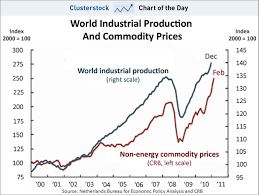


In recent years, developed countries have increasingly sought to reduce fossil fuel consumption. This has been motivated by concern over the dwindling supplies of oil, the environmental damage caused by greenhouse gas emissions, and the security risks associated with depending upon unstable foreign countries for oil imports. [1] To help fill this void, countries have turned to various forms of bio-fuels, such as corn-based ethanol in the US and oil-seed based biofuels in Europe. In 2007, bio-fuels accounted for nearly 1.8% of the energy expended globally for transportation. Notable leaders in bio-fuel consumption are Brazil, where it accounts for 20% of transportation energy, and the United States, where the percentage was 3%.
Bio-fuels have received extensive government support. Many countries have set explicit targets for the percentage of energy used for transportation coming from bio-fuels, with the European Union targeting 10% by 2020. [1] In the United States, the federal government subsidized corn ethanol blending at a rate of 45 cents per gallon. [2] Including state and other auxiliary federal subsidies raises this subsidy to between $1.05 and $1.38 per gallon of ethanol. This is despite the fact that at current price levels for corn and oil, corn ethanol production in many cases would be profitable without subsidies. [3]
Commodity Pricing
Commodity Pricing
Commodity Pricing
Commodity Pricing
Commodity Pricing
Commodity Pricing
Commodity Pricing
Commodity Pricing
Commodity Pricing
Commodity Pricing
Commodity Pricing
Commodity Pricing
Commodity Pricing
Commodity Pricing
Commodity Pricing
Commodity Pricing
Commodity Pricing
Commodity Pricing
Commodity Pricing
Commodity Pricing

No comments:
Post a Comment