Commodities Brokers Biography
One feature of exchange-traded funds (ETFs) that many investors find attractive is relatively low-cost access to asset classes that can be otherwise difficult to invest in. The poster child is commodities—physical goods such as precious metals, oil and agricultural products. While it can be tough for a typical investor to buy and store these goods, an ETF can help grant access with relative ease.
Before diving in, however, there are certain issues to consider.
First, what role should commodities play in your portfolio? Many investors turn to commodities for diversification and seek a level of protection against inflation (although we think deflation is the bigger risk in the short term). While commodities can be useful as a hedge against inflation, they generally shouldn't make up a very large portion of your assets—no more than 5% to 10% for most investors. More than that may reduce the diversification benefits, with too much of your portfolio's risk then coming from commodities alone.
Secondly, but just as important, you need to understand what makes commodity ETFs different from other ETFs, and how they can differ from each other.

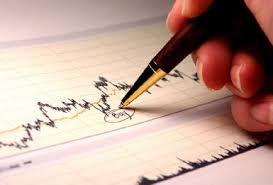





One feature of exchange-traded funds (ETFs) that many investors find attractive is relatively low-cost access to asset classes that can be otherwise difficult to invest in. The poster child is commodities—physical goods such as precious metals, oil and agricultural products. While it can be tough for a typical investor to buy and store these goods, an ETF can help grant access with relative ease.
Before diving in, however, there are certain issues to consider.
First, what role should commodities play in your portfolio? Many investors turn to commodities for diversification and seek a level of protection against inflation (although we think deflation is the bigger risk in the short term). While commodities can be useful as a hedge against inflation, they generally shouldn't make up a very large portion of your assets—no more than 5% to 10% for most investors. More than that may reduce the diversification benefits, with too much of your portfolio's risk then coming from commodities alone.
Secondly, but just as important, you need to understand what makes commodity ETFs different from other ETFs, and how they can differ from each other.
Commodities Brokers
Commodities Brokers
Commodities Brokers
Commodities Brokers
Commodities Brokers
Commodities Brokers
Commodities Brokers
Commodities Brokers
Commodities Brokers
Commodities Brokers
Commodities Brokers
Commodities Brokers
Commodities Brokers
Commodities Brokers
Commodities Brokers
Commodities Brokers
Commodities Brokers
Commodities Brokers
Commodities Brokers
Commodities Brokers

No comments:
Post a Comment