Commodity Exchange Biography
Structures of commodity ETFs
Most investors are familiar with stock ETFs, which are portfolios made up of actual shares of common stock. A commodity ETF, by contrast, is typically structured in one of three ways.
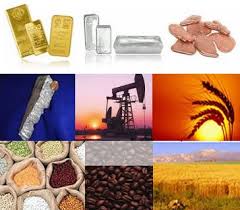
The first and simplest structure buys and stores the physical commodity itself. The primary examples of this type of ETF are the two largest gold funds, SPDR Gold Shares (GLD) and iShares Comex Gold Trust (IAU). These are technically trusts, and they use their assets to buy gold bullion to store in bank vaults.
The second common structure is a fund that holds futures contracts. A futures contract on a commodity is an agreement to deliver a certain commodity at a certain date in the future for a price paid today, such as paying $80 today for a barrel of oil to be delivered in three months.
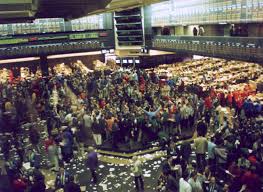
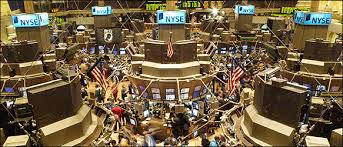
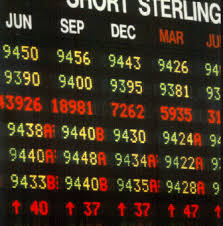
Futures contracts trade on exchanges, similar to stocks and bonds, and don't require storage like a physical commodity does. When a futures contract approaches the delivery date, the holder will typically "roll" that contract in exchange for another contract on the same commodity to be delivered further in the future.
Examples of futures-based commodity ETFs are US Oil Fund (USO) and PowerShares DB Commodity Index (DBC).










Structures of commodity ETFs
Most investors are familiar with stock ETFs, which are portfolios made up of actual shares of common stock. A commodity ETF, by contrast, is typically structured in one of three ways.
The first and simplest structure buys and stores the physical commodity itself. The primary examples of this type of ETF are the two largest gold funds, SPDR Gold Shares (GLD) and iShares Comex Gold Trust (IAU). These are technically trusts, and they use their assets to buy gold bullion to store in bank vaults.
The second common structure is a fund that holds futures contracts. A futures contract on a commodity is an agreement to deliver a certain commodity at a certain date in the future for a price paid today, such as paying $80 today for a barrel of oil to be delivered in three months.
Futures contracts trade on exchanges, similar to stocks and bonds, and don't require storage like a physical commodity does. When a futures contract approaches the delivery date, the holder will typically "roll" that contract in exchange for another contract on the same commodity to be delivered further in the future.
Examples of futures-based commodity ETFs are US Oil Fund (USO) and PowerShares DB Commodity Index (DBC).
Commodity Exchange
Commodity Exchange
Commodity Exchange
Commodity Exchange
Commodity Exchange
Commodity Exchange
Commodity Exchange
Commodity Exchange
Commodity Exchange
Commodity Exchange
Commodity Exchange
Commodity Exchange
Commodity Exchange
Commodity Exchange
Commodity Exchange
Commodity Exchange
Commodity Exchange
Commodity Exchange
Commodity Exchange
Commodity Exchange

No comments:
Post a Comment