Commodity Price Charts Biography
An initial glance at the data seems to support the validity of this concern. For example, as of 2007, ethanol demand for corn took up 25% of annual production in the United States, and 13% worldwide, which should clearly have an effect in driving up corn prices. [5] [6] Worldwide, two-thirds of increases in global corn production were used for ethanol production. [3] Second order effects would raise the prices of other similar grains, such as rice and wheat. Increased corn prices could lead to farmers dedicating additional acreage to corn, reducing supplies of rice and wheat, driving up prices. [7] Looking at price changes in the 12 months prior to March 2008 shows that wheat prices increased 123 percent, corn increased 37 %, and rice increased 36%. [5]
However, research on the effect of bio-fuels on food prices has yielded mixed results. Experts focusing on corn ethanol generally agree that some price increases have resulted. Some ethanol analysts estimated that using 2008 prices for corn, ethanol production resulted in corn prices being 20-30% higher than would otherwise be the case. [8] Edward P. Lazear, Chairman of the Council of Economic Advisors, attributed 13% of the 37% increase in corn prices in the year prior to May 2008 to ethanol production demand. [5] For grains in generals, studies have reached different conclusions on the effect of bio-fuel demand upon prices. At one extreme, Donald Mitchell of the World Bank attributed two-thirds of world food price increases between 2002 and 2008. [6] Another study found that 30% of food price increases between 2000 and 2007 were caused by bio-fuel demand. [7]
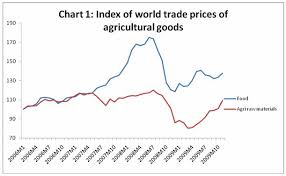

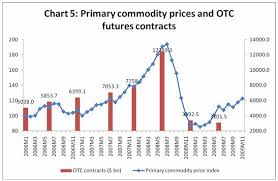






An initial glance at the data seems to support the validity of this concern. For example, as of 2007, ethanol demand for corn took up 25% of annual production in the United States, and 13% worldwide, which should clearly have an effect in driving up corn prices. [5] [6] Worldwide, two-thirds of increases in global corn production were used for ethanol production. [3] Second order effects would raise the prices of other similar grains, such as rice and wheat. Increased corn prices could lead to farmers dedicating additional acreage to corn, reducing supplies of rice and wheat, driving up prices. [7] Looking at price changes in the 12 months prior to March 2008 shows that wheat prices increased 123 percent, corn increased 37 %, and rice increased 36%. [5]
However, research on the effect of bio-fuels on food prices has yielded mixed results. Experts focusing on corn ethanol generally agree that some price increases have resulted. Some ethanol analysts estimated that using 2008 prices for corn, ethanol production resulted in corn prices being 20-30% higher than would otherwise be the case. [8] Edward P. Lazear, Chairman of the Council of Economic Advisors, attributed 13% of the 37% increase in corn prices in the year prior to May 2008 to ethanol production demand. [5] For grains in generals, studies have reached different conclusions on the effect of bio-fuel demand upon prices. At one extreme, Donald Mitchell of the World Bank attributed two-thirds of world food price increases between 2002 and 2008. [6] Another study found that 30% of food price increases between 2000 and 2007 were caused by bio-fuel demand. [7]
Commodity Price Charts
Commodity Price Charts
Commodity Price Charts
Commodity Price Charts
Commodity Price Charts
Commodity Price Charts
Commodity Price Charts
Commodity Price Charts
Commodity Price Charts
Commodity Price Charts
Commodity Price Charts
Commodity Price Charts
Commodity Price Charts
Commodity Price Charts
Commodity Price Charts
Commodity Price Charts
Commodity Price Charts
Commodity Price Charts
Commodity Price Charts
Commodity Price Charts

No comments:
Post a Comment